
Latest Trends in Defense Technology: What to Expect
jk
Advancements in Autonomous Systems
One of the most significant trends in defense technology is the rise of autonomous systems. These systems, including drones and unmanned vehicles, are becoming increasingly sophisticated. They are designed to perform complex tasks with minimal human intervention, enhancing capabilities in surveillance, reconnaissance, and combat operations.
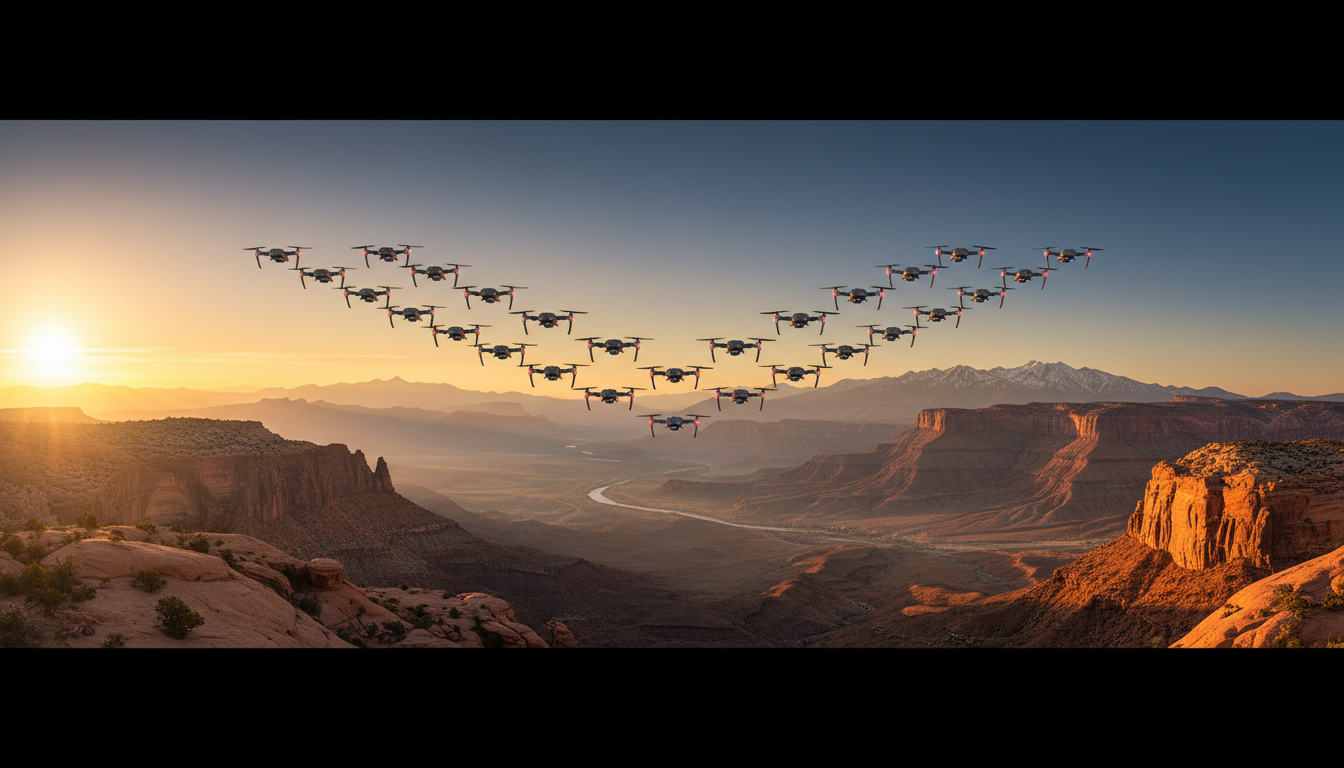
The use of AI and machine learning in these systems allows for real-time data processing and decision-making. This development is crucial for responding to dynamic environments and threats efficiently. As technology advances, expect to see more integration of autonomous systems in military operations worldwide.
Cybersecurity Innovations
With the growing reliance on digital infrastructure, cybersecurity has become a top priority in defense technology. New strategies and tools are being developed to combat cyber threats, which are becoming more sophisticated and frequent. These innovations include advanced encryption techniques, AI-driven threat detection, and blockchain-based security frameworks.
The focus is not only on preventing breaches but also on creating resilient systems that can withstand and recover from attacks. As cyber warfare evolves, ongoing advancements in cybersecurity are essential to protect national security interests.

Directed Energy Weapons
Directed energy weapons, such as lasers and microwave systems, are emerging as game-changers in modern warfare. These weapons offer the potential for precise targeting and reduced collateral damage. They are also cost-effective compared to traditional munitions, as they rely on electricity rather than physical ammunition.
Current research is focused on enhancing the power and range of these weapons, making them viable for various applications, including missile defense and anti-drone operations. As technology matures, directed energy weapons are expected to play a crucial role in future combat scenarios.
Advances in Biometric Technology
Biometric technology is becoming increasingly important in the defense sector for secure access and identification. Innovations in facial recognition, fingerprint scanning, and even behavioral biometrics are enhancing security protocols.

These technologies are being integrated into defense systems to ensure that sensitive data and locations remain secure. As biometric technology continues to evolve, it will likely become a standard component in defense security measures.
Quantum Computing and Communication
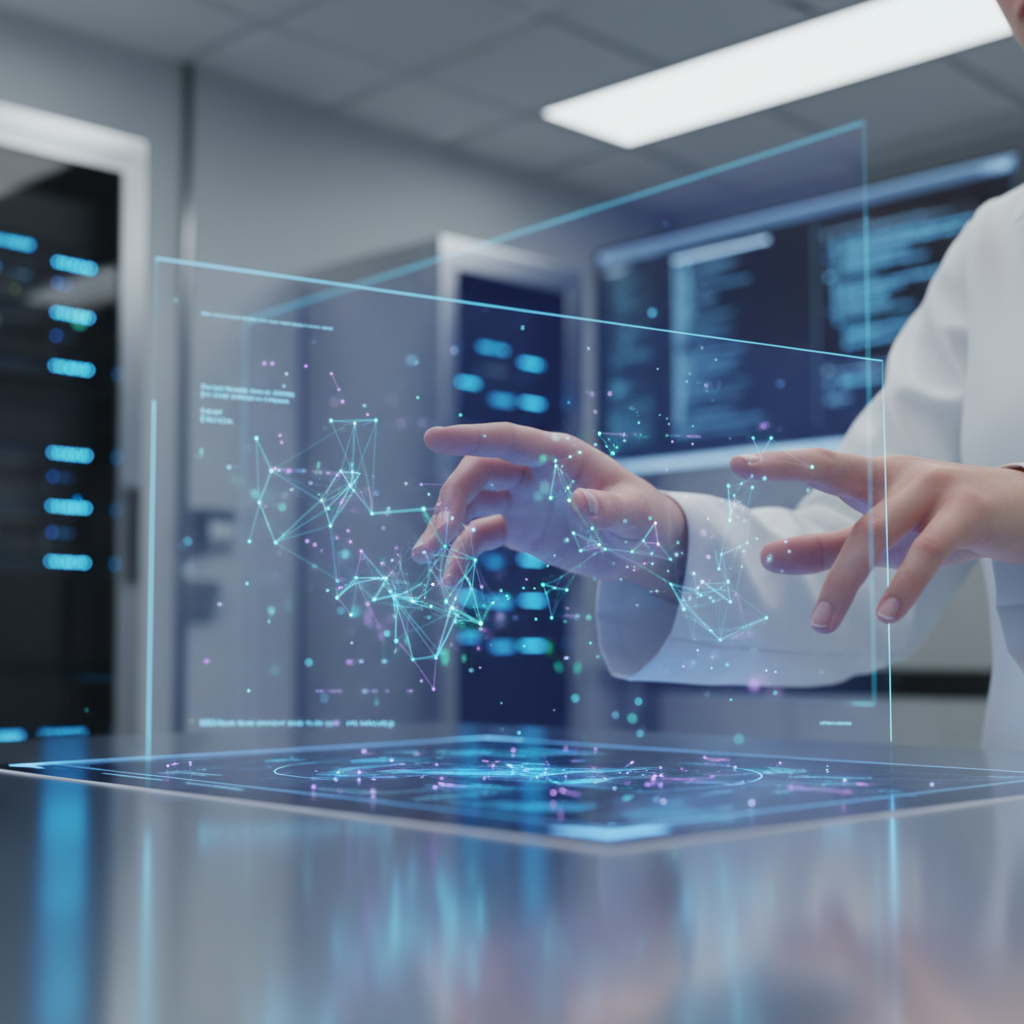
Quantum computing is poised to revolutionize defense technology with its unparalleled processing power. It holds the potential to solve complex problems much faster than classical computers, impacting cryptography, logistics, and much more.
Quantum communication, on the other hand, offers secure communication channels that are nearly impossible to hack. As research progresses, the defense sector is keenly interested in leveraging these technologies to maintain a strategic edge.
Conclusion
The latest trends in defense technology reflect a focus on innovation and adaptability. From autonomous systems to quantum computing, these advancements are set to transform military operations and national security strategies. Keeping abreast of these developments is crucial for stakeholders aiming to navigate the rapidly evolving landscape of defense technology.